🔍 How Exercise Helps Your Body Fight Inflammation
Why does this matter?
Chronic inflammation is linked to many long-term health problems like type 2 diabetes, heart disease, cancer, dementia, depression and many more. Physical activity is one of the most powerful ways to reduce this harmful inflammation.
✅ What is Inflammation?
Acute inflammation = short-term response to injury or infection. It helps healing.
Chronic inflammation = long-term, low-level inflammation caused by lifestyle factors like physical inactivity and excess body fat. This type of inflammation can damage your body and increase disease risk.
🔄 How Physical Activity Helps
Reduces harmful chemicals (like CRP, IL-6, TNF-alpha) that drive inflammation.
Boosts anti-inflammatory signals (like HDL cholesterol and IL-10).
Improves metabolism and lowers visceral fat, which is a major source of inflammatory molecules.
Protects against chronic diseases by reducing insulin resistance, slowing atherosclerosis, and lowering cancer risk.
🧠 Why Visceral Fat Matters – and How Exercise Helps
What is visceral fat?
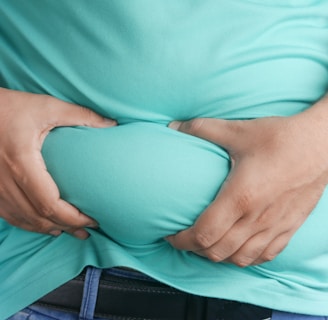
Visceral fat is the fat stored deep inside your abdomen, around organs like the liver and intestines. High levels of visceral fat are linked to higher risk of serious diseases and early death.❌ Why Too Much Visceral Fat Is Harmful
Triggers chronic inflammation in the body.
Releases harmful chemicals (like TNF-alpha and IL-6) that damage tissues.
Reduces protective anti-inflammatory signals.
Increases risk of:
Type 2 diabetes
Heart disease
✅ How Physical Activity Helps
Reduces visceral fat, even if your weight doesn’t change.
Switches immune cells from M1 (pro-inflammatory) to M2 (anti-inflammatory).
Muscles release IL-6 during exercise.
IL-6 is a cytokine that, when released by muscles during exercise, acts as an anti-inflammatory signal.
It triggers more IL-10 and IL-1RA, calming inflammation.
Exercise boosts cortisol and adrenaline:
These are hormones that help reduce inflammatory signals and stress on the body.
Reduces pro-inflammatory monocytes (a type of white blood cell that drives inflammation) and increases regulatory T-cells (special immune cells that help keep inflammation under control).
How exercise influences how your body ages: mitochondria and telomeres...
🔋 Mitochondria: The Power Batteries of Your Cells
Think of your cells as tiny machines, and mitochondria are their batteries. They produce the energy your body needs to move, think, and stay alive. But like any battery, they can wear down over time.
🕰 Ageing and Mitochondria
As we age, mitochondria can become less efficient. They produce reactive oxygen species (ROS)—tiny sparks from energy production.
In small amounts, ROS are normal.
But too many sparks can damage the cell’s parts (proteins, DNA, fats), leading to cell ageing and death.
This damage is linked to conditions like cancer, dementia, muscle loss, and liver problems.
✅ How Exercise Protects Your Mitochondria
Physical activity acts like a battery maintenance system for your cells. It helps in three key ways:
Anti-oxidant Enzymes
These are like spark dampeners. Exercise increases enzymes that neutralize ROS, reducing damage.
Uncoupling Proteins
Imagine a safety valve that prevents overheating. These proteins reduce ROS production during energy generation. Exercise boosts these safety valves.
Autophagy (Cell Recycling)
Think of a recycling service for old batteries. Exercise activates autophagy, clearing out damaged mitochondria and making new, healthy ones.
🚶 Why It Matters
Regular physical activity:
Keeps your cell batteries strong.
Reduces oxidative damage.
Slows ageing at a cellular level.
Even simple activities like brisk walking for 30 minutes a day can help keep your mitochondria healthy.
🧬 Telomeres: The Protective Caps That Keep Your Cells Young
Think of your chromosomes (the structures that hold your DNA) like shoelaces. At the ends of shoelaces, you have little plastic tips that stop them from fraying.
Telomeres are like those tips for your DNA. They protect your genetic material and keep your cells healthy.
🕰 Why Telomeres Matter
Every time your cells divide, telomeres get a little shorter—like the tips wearing down.
When they become too short, the cell can no longer divide and eventually dies.
Shorter telomeres are linked to ageing and higher risk of chronic diseases like:
Heart disease
Diabetes
Cancer
Dementia
✅ How Exercise Helps Protect Telomeres
Regular physical activity slows down telomere shortening through several mechanisms:
Boosting Telomerase
Telomerase is an enzyme that helps rebuild telomeres. Exercise increases its activity, helping keep those protective caps longer.
Reducing Oxidative Stress
Free radicals (tiny unstable molecules) can damage telomeres. Exercise reduces this stress, protecting your DNA.
Lowering Inflammation
Chronic inflammation speeds up telomere shortening. Exercise reduces inflammatory chemicals like TNF-alpha and IL-6.
Supporting Muscle Repair
Exercise stimulates satellite cells (muscle repair cells) and helps maintain their telomeres, keeping muscles healthier as you age.
🚶 What You Can Do
Aim for regular physical activity—walking, cycling, swimming, or resistance training.
Even moderate exercise can help protect your telomeres and slow biological ageing.
Bottom line:
Exercise doesn’t just make you feel better—it helps keep your cells young by protecting the tips of your DNA.




© 2025. All rights reserved.